
Success in the retail realm is no longer about just great products or services-it begins with and is founded on where and how you show up in the market. With the current hyper-competitive situation, retail site planning is the planning aspect that allows smart, scalable expansion. Without retail site planning absent from the strategy, a brand could easily face challenged merchants, low foot traffic, hurdles in market development, and so on.
As the first pillar in a structured go-to-market strategy, retail site planning presents the brand and stakeholders an understanding of the market, customer behaviour, location, and long-term growth potential. Without this pillar, the best ideas might not reach their full potential. Be it your first store opening, franchise or licensed development, or an evaluation of the existing networks, retail site planning is the process that connects investments with market realities.
When retail consultants provide further refinement from detailed data, the evidence-based decision making is even more prominent. In short, if retail expansion is the journey, retail site planning is how you journey – and you wouldn’t start a journey without a plan.
Retail Site Planning
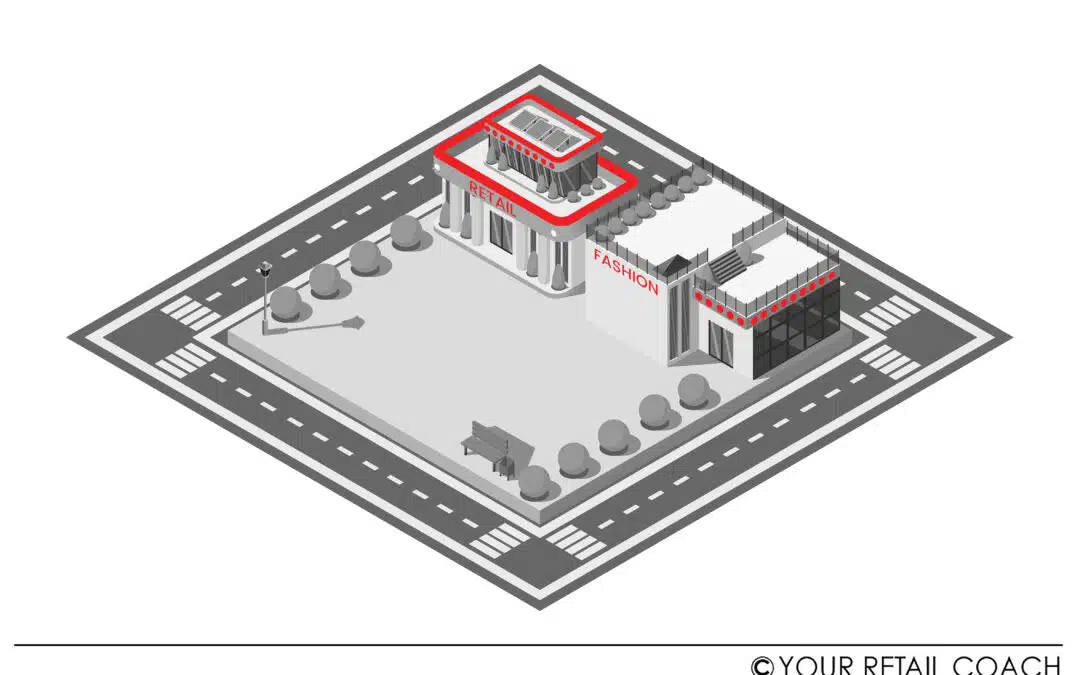
Retail location planning is more complicated than just identifying a great street or mall. There are layers of decisions shaped by inputs such as the local demographics, the local competitive density, movement patterns of the target customers, any zoning plans or regulations, reachability, and visibility. In a multilayered evaluation like this, not only does a retailer analyze the current offering of any site, but also a layered way of analyzing the future opportuneness of a site.
Today, retailers can make smarter location decisions based on better real data and insights. Retailers now can use heatmaps, traffic flow simulations, and retail location intelligence platforms to determine optimal store placements. Listing out the retailer’s store potential must include how well a location aligns with the retailer’s brand identity and pricing tier. For example, luxury retailers search for high-end districts and discount retailers can have a lot of potential in price-conscious neighborhoods.
The retail location planning process also assesses nearby anchors, which are key drivers of footfall and work well with entertainment or transit hubs. Maintaining a holistic planning process, brands can become less dependent on luck when situating stores and identify other high potential, low saturation zones in which to expand. This new approach makes retail expansion an active knowledge based opportunity rather than one of chance or whim, strategically outlining not just why to expand.
Working with Retail Consultants
Smart brands do not grow on their own, they work with expert retail consultants who not only have awareness of the industry, but local market insight and technical expertise. Retail consultants are even more vital to retail site planning, by helping businesses evaluate the feasibility of expansion, then benchmark the competition, do a SWOT analysis on locations, and in some cases, even connect with landlords and developers.
Retail consultants help establish location plans that are aligned with operational objectives and long-term growth goals, all the while with an understanding on how to accomplish location infill in new geographies, while maintaining in existing competitive zones. Additionally, consultants often provide deep market diagnostics and perspectives of consumer behavior that typical retailers and brands do not have access to internally, or without significant time investments.
This type of consulting relationship adds no risk and will streamline execution even faster whether it’s an urban flagship store or suburban footprint.
For smaller growing chains, or certain international brands, they even provide strategic partnerships from concept, to go-to-market strategy, locating and planning costs with effective, practical retail growth advisory consultations. From the blueprint to final rollout, an expert consultant ensures site planning is both accurate, and profitable, which would be vital to any future-proofed retail model.
Evaluating Expansion Feasibility through Strategic Site Planning
Retail site planning primarily focuses on whether a location is viable for expansion. In context, feasibility of expansion. Retailers need to know whether a site can generate a sufficient return, meet brand standards, and support operational performance. Site planning incorporated consumer insight and included detailed financial modelling: revenue projections, cost estimates, and break-even timelines.
Additionally, planning incorporated aspects such as the existing local market density, commercial real estate trends, the purchasing power of consumers within the local economy, and the regulations at regional level. The goal of advanced strategic planning is to determine if an expansion is more than just juicy, but sustainable and scalable. Strategic site planning provides brands with the advantage to prioritize locations with the best potential and avoid sites for which demand is promising, but potentially not sustainable.
Whether a multi-unit rollout, or franchise development, the planning stage is critical to assure consistency and profitability. Embedding feasibility for expansion in planning allows the retailer to approach growth with not only ambition, but every move will be making sense strategically and financial sustainability.
Retail Location Intelligence
The time of guesswork and gut feel-based approaches to retail expansion is over. Today’s approach to site planning is defined by the use of retail location intelligence. Retail location intelligence is the application of data to select the right sites. The things that shape the data are one or more of: the demographic profile of the area, traffic patterns around the site, employment/economic activity in the trade, the consumer lifestyles in the area, retail spending behaviors, and competitive density.
The functional tools available to analytics are data analysis given by geospatial analytics tools and GIS/geography systems. We are in an era where retailers have access to objective data allowing them to make informed decisions. Retailers can now map heat zones of consumer activity, understand psychographic profiles and even estimate sales performance prior to completing a lease. This retail intelligence allows brands to understand if a location has the right demographics to support their product mix, price point and brand promise. It will also provide insight in store format decisions and if a store should be a flagship, kiosk or dark store format.
Retail location intelligence can assist brands in understanding the amenities of adjacent retail to their location, the type of anchor stores around them, and transit connectivity of their site in proximity to the potential store. When site selection is backed by data of the real world, it reduces risk and increases ROI. It is the intelligent core of retail program management and strategic rollout.
Integrating Retail Site Planning into Go-to-Market Strategy
A go-to-market strategy is ineffective without sound site planning, as selecting, or changing a location is as much about the foundation as the site plan itself. With site selection, every facet of location should be widely informed by company and brand goals, target audience preferences, marketing medium, and anticipated inventory.
For instance, a high-end electronics company investigating a new market in Tier-2 cities will have to consider local income levels, technological adaptation, and availability of service stations. A health-based organic food shop is different – its site selection should be adjacent to gyms, yoga studios, or wellness centers. Retail site planning provides the geographical relevance and context to all of the decisions made for the go-to-market plan.
For example, site planning will provide the best understanding of where to focus specific location marketing messages or the best pricing approach or inventory planning to deploy. There’s a connotation to aligning location with retail and standing offer consultants as well – brand orientation synchronizing positioning and presence as best as possible.
However, ultimately, we’re trying to make the market opportunity actionable return mediated by site planning. The level of planning to formulate entry to fully-focused viable and relevant society objectives is more important. In following this thinking and plan, at the very least – our guiding principle for site planning clearly puts the odds in your favour – a chance to build a profitable presence.
FAQs
What is the definition of retail site planning and why is it important?
Retail site planning is identifying the ideal locations for stores. The analysis is done on market factors and demographic, geographic and financial data. Retail site planning helps ensure the success and sustainability of a retailers expansion through connection to actual market demand.
How do retail consultants support a go-to-market strategy?
Retail consultants support a retailers go-to-market strategy through consulting on potential site selection and advising on market entry and brand positioning and assistance throughout a retailers operational plan or project, that can minimize risk and deliver the most streamlined approach to retail expansion.
What is the value of retail location intelligence in a retailer's expansion?
Retail location intelligence delivers analysis to give larger companies insight into customer behavior, local demographics and future potential of the site. Which helps the retailers make more well-informed decisions for retail locations closest to the goals of expansion.
How do retail store network optimizations deliver better retail ROI?
Retail store network optimization can improve a retailers ROI by identifying unproductive locations and bringing more efficiency by eliminating redundancy and increasing coverage where promising sales opportunities exist – all of which will deliver improved sales performance and greater operational efficiencies.
Author Bio

Rupal Agarwal
Chief Strategy Officer


Get In Touch