
Warehouse problems lead to increased operating costs. Replenishment cycles get delayed. This makes it hard to keep track of what’s in the warehouse. It makes it harder to execute fulfillment reliability.
Many businesses still do things in a way that’s not very smooth. They have plans for storing things in the warehouse. They work on keeping track of what they have. They do not have good rules to make sure everything runs well. These issues become more severe during business expansion, warehouse scaling, automation implementation, or omnichannel growth.
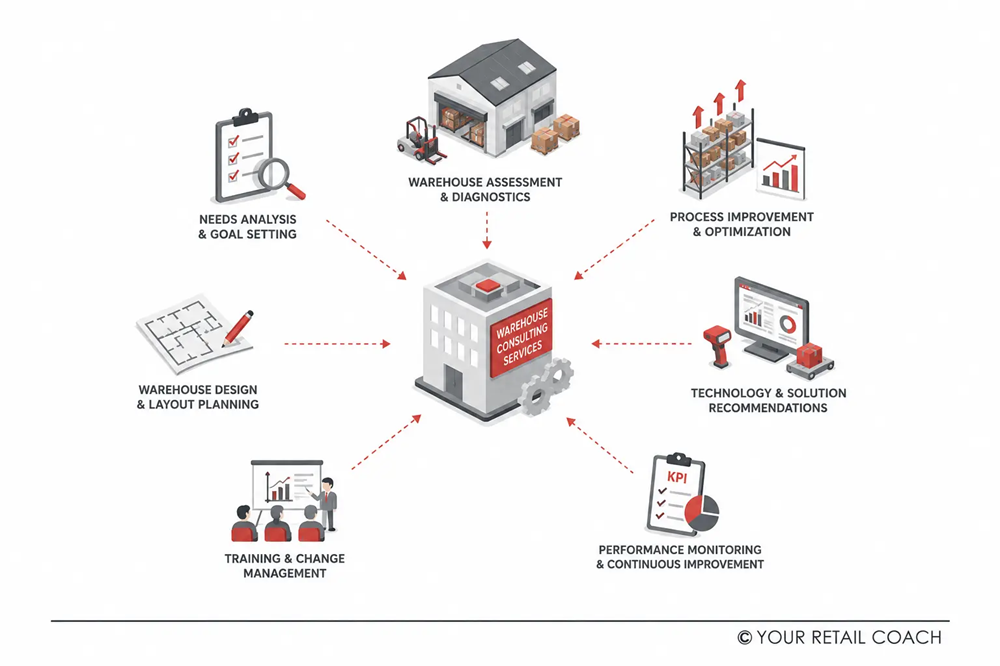
The solution is structured warehouse consultation supported by operational experts with implementation capability. Companies need to rethink the way they do things to make their warehouses work better, get a handle on their inventory, come up with ways of doing things, plan for automation and get all their systems working together.
Getting help from experts who know about warehouses can make a difference, for companies. They can help them get work done, keep track of their inventory more accurately, get more out of their workers and see what is going on in their operations.
YRC delivers warehouse consultation with a strong focus on operational standardization, SOP-driven execution, inventory control, and scalable warehouse process design. Unlike advisory-only firms, YRC aligns warehouse strategy with implementation readiness, workforce execution, and commercial scalability. Businesses also benefit from specialized support from warehouse automation consultants and experienced wms consultant teams for technology-aligned warehouse transformation.
How to Identify When You Need Warehouse Consulting Services
Warehouse problems usually do not become clear until the warehouse has issues with inventory. It takes a long time to fulfill orders or the costs of running the warehouse start going up and affecting how the business does overall.
Identify Operational Warning Signs – Warehouse consultants should be consulted by firms at any time when the warehouse system impacts the rate of inventory movements, the speed of replenishing goods and even how quickly orders are fulfilled at the warehouse.
Common Operational Indicators
- High inventory discrepancies
- Slow order processing
- Frequent dispatch delays
- Excessive labor dependency
- Storage congestion
- Weak inventory visibility
- Rising carrying costs
- Poor warehouse scalability
A warehouse management consultant can really help. They find the problems in the warehouse processes, the things that slow down operations and the issues, with keeping track of inventory. They do this before these problems start to hurt the business.
Assessment of Warehouse Scalability – When companies want to grow and sell things in many different ways through omnichannel operations, they often find out that their current warehouse is not good enough. The warehouse cannot handle the increased amount of work that comes with selling products.
Typical Scalability Challenges
| Challenge | Operational Impact |
|
Poor layout design |
Increased movement time |
|
Weak replenishment logic |
Delayed fulfillment |
|
Manual tracking systems |
Inventory inaccuracies |
|
Unstructured workflows |
Reduced labor productivity |
|
Inconsistent SOPs |
Operational dependency |
YRC approaches warehouse consultation by combining process engineering, SOP development, inventory management frameworks, and operational scalability planning. Their warehouse consulting services focus on building execution-ready warehouse structures instead of only theoretical recommendations.
Assess Technology Readiness – Many businesses implement automation or warehouse systems without operational readiness. This often creates process disruption instead of operational improvement.
Areas Requiring Expert Evaluation
- Warehouse process standardization
- Inventory movement logic
- Barcode infrastructure
- System integration readiness
- Workforce adaptation planning
- Reporting structure alignment
A wms consultant helps businesses align warehouse systems with operational workflows. Warehouse automation consultants also help organizations avoid unnecessary automation investments that increase process complexity.
How Warehouse Consulting Services Improve Warehouse Performance
Warehouse transformation requires structured operational redesign supported by measurable execution controls.
Improve Warehouse Layout and Inventory Flow – Warehouse productivity depends heavily on movement efficiency. Poor layout structures increase labor dependency and reduce throughput speed.
Key Improvement Areas
- Storage slotting optimization
- Fast-moving inventory zoning
- Dispatch lane structuring
- Cross-docking opportunities
- Replenishment path optimization
YRC delivers warehouse consulting services focused on inventory velocity, replenishment responsiveness, and operational efficiency. Their warehouse consultation methodology also includes SOP alignment for warehouse teams and supervisors.
Standardize Warehouse Processes – Many warehouses operate with inconsistent execution practices across shifts and teams. Process inconsistency weakens inventory control and increases operational dependency.
Standardization Areas
- Receiving procedures
- Put-away logic
- Picking workflows
- Dispatch verification
- Cycle counting
- Exception handling
A warehouse management consultant helps establish operational governance structures that improve consistency and reduce process deviation. YRC further supports businesses through SOP documentation, operational manuals, workflow mapping, and implementation guidance.
Improve Technology Utilization – Warehouse systems often underperform because operational workflows are not aligned with technology deployment.
Technology Areas Supported by Consultants
| Technology Area | Business Benefit |
|
WMS integration |
Real-time inventory visibility |
|
Barcode implementation |
Improved stock accuracy |
|
Dashboard reporting |
Faster operational decisions |
|
Automation alignment |
Reduced repetitive tasks |
|
Inventory analytics |
Better replenishment planning |
The warehouse management complex consultants help ensure that the necessary technology is put in place without disrupting the established operational processes. The warehouse automation consultants can also help companies determine when the automation process can increase efficiency without decreasing flexibility in the operations.
Make a Choice of the Right Warehouse Consulting Partner
Warehouse transformation requires strong strategic abilities combined with successful implementation.
Prioritize Operational Implementation Capability – Many consulting firms provide recommendations without operational execution support. Businesses should evaluate whether the consulting partner can support implementation, SOP deployment, process monitoring, and operational stabilization.
Key Evaluation Factors
- Industry experience
- SOP expertise
- Warehouse process knowledge
- Inventory management capability
- ERP/WMS alignment experience
- Scalability planning capability
YRC differentiates itself by combining warehouse consultation with implementation-focused operational consulting. Their consulting framework covers warehouse operations, inventory systems, SOP engineering, workforce process alignment, and multi-location operational scalability.
Assess Cross-Functional Expertise – Warehouse operations directly affect procurement, replenishment, inventory planning, fulfillment, and customer service.
Areas That Require Cross-Functional Alignment
- Inventory management
- Supply chain coordination
- Omnichannel fulfillment
- Warehouse staffing
- Process governance
- Performance reporting
Warehouse consulting services become more effective when operational consulting extends beyond warehouse layout recommendations. YRC supports businesses through integrated operational consulting across warehouse management. The expert team also provides extended support in areas of retail operations, SOP development, process audits, and business growth planning.
Ensure Long-Term Process Sustainability
Operational improvements should remain stable beyond initial implementation.
Sustainability Priorities
- KPI monitoring frameworks
- Audit systems
- Training structures
- SOP review mechanisms
- Reporting governance
- Continuous improvement cycles
A warehouse management consultant should help businesses create operational sustainability structures instead of short-term process fixes.
Warehouse Consulting Engagement Structure
Operational Assessment
↓
Warehouse Process Audit
↓
Inventory Flow Evaluation
↓
Layout and SOP Redesign
↓
Technology Alignment
↓
Implementation Planning
↓
Performance Monitoring
↓
Continuous Improvement
Those organizations that implement structured warehouse consulting can improve their warehouse visibility, fulfillment effectiveness, labor productivity, and operational flexibility. The most effective warehouse consulting services are when strategy, process discipline, and implementation assistance combine.
Strategic Outcomes for Business Leaders
Businesses that engage experienced warehouse consulting services generally achieve stronger operational control and warehouse scalability.
Expected Outcomes
- Improved inventory accuracy
- Faster order fulfillment
- Better labor productivity
- Reduced operational bottlenecks
- Lower inventory carrying costs
- Stronger warehouse visibility
- Better replenishment control
- Improved operational scalability
YRC supports warehouse transformation through process-driven consulting frameworks designed for operational execution and scalability. Their warehouse consultation capability combines SOP expertise, warehouse operations consulting, inventory management support, and implementation readiness.
Companies really benefit from working with warehouse automation consultants. Additionally, warehouse management system consultants make sure the work processes match the technology. Partnership with a warehouse management consultant helps businesses with their warehouse performance and also makes sure that things run smoothly for a long time.
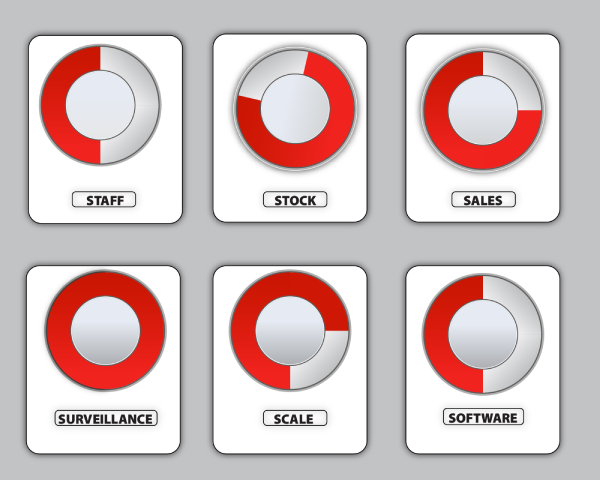
Retail Healthometer
Check the health of your business? Are you ready to organize & scale ?
Author Bio

Nikhil Agarwal
Chief Growth Officer
Nikhil is a calm and composed individual who has a master’s degree in international business and finance from the United Kingdom. Nikhil Agarwal has worked with 300+ retail e-commerce brands and companies from various sectors, since 2012, to define their growth strategy and achieve operational excellence. Nikhil & his team have remarkable success stories of helping brands achieve 10X growth.