
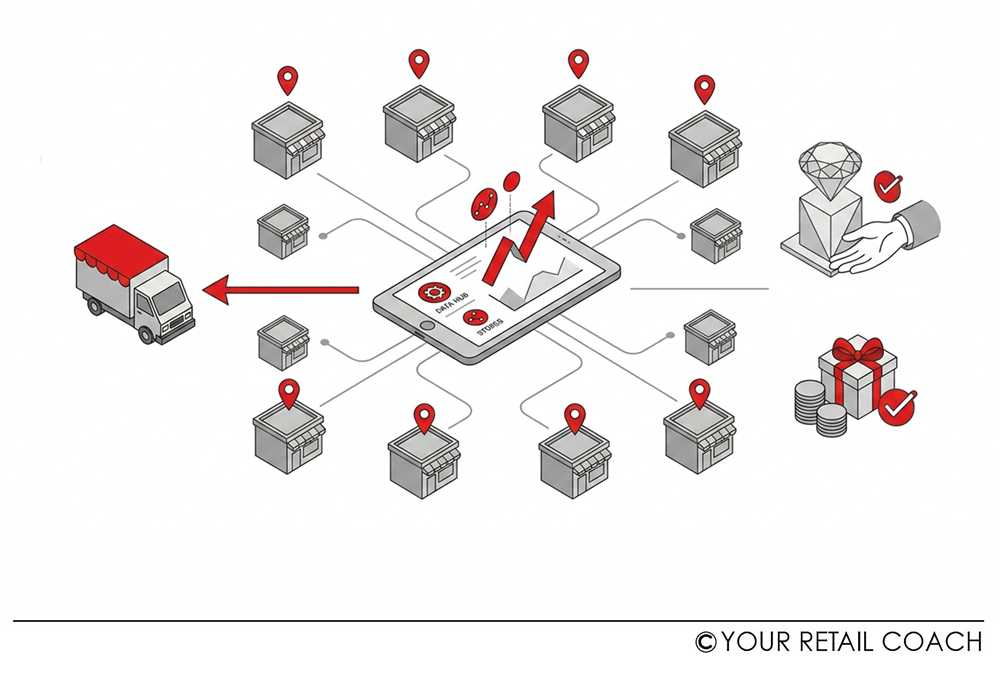
When Olivia’s retail brand went from five stores to fifty stores across areas it got a lot more complicated. Things that used to be easy to handle were now problematic. Some stores did well and others did not do so well. It was hard to get reports and to make sure that all the stores were doing things the same way.
This is something that a lot of retailers who have locations are dealing with today. If you grow your business without having a plan for managing your stores you will have problems that affect how well your stores do and what your customers think of you. The key to managing stores in the future is to have systems that make sure everything is consistent, that you can see what is going on and that you can grow without losing control.
Managing stores today is not about keeping an eye on each individual store. It is about managing a group of stores through a system that combines retail and sales management and makes sure that everything runs smoothly. This way you can adapt to growth and still be in charge. Modern store management is about having a system that helps you manage your retail brand like Olivia’s retail brand and make sure that all your stores are doing well.
Moving from Individual Store Control to Network Management
Olivia figured out that taking care of each store one by one was not working anymore. The stores she had the more complicated things got.
The way retail stores will be managed in the future is by changing from controlling each store to managing the network. This means making systems that let you see what is going on and make decisions for all stores at the time but still let each store make some of its own decisions.
Some important things about this change are:
- Centralized dashboards to keep an eye on how each retail store’s doing
- Doing things the same way at all retail stores
- Making sure retail stores and the main office can talk to each other clearly
This way retail stores can be consistent and still grow. By fixing problems one retail store at a time businesses can take care of the whole network of retail stores more easily and before problems happen. Olivia thinks that retail store management will be a lot better with this approach, to managing retail stores.
Integrating Retail and Sales Management Across Locations
Olivia had a problem. She had to make sure that all her stores were using the sales strategies.. Each store was doing things its own way when it came to promotions and sales. This meant that the results were not the same
The way forward for sales management is to bring everything together. Sales strategies need to be the same across all locations. They also need to take into account what local customers are like.
To do this properly you need things. These are:
- A unified plan for sales that is supported by data from one place
- Promotions that are coordinated and match the inventory in all stores
- metrics to measure how well you are doing so you can track success in the same way everywhere
When you bring retail and sales management together every store can contribute to the overall goals of the business. This makes things more efficient, reduces waste and helps you get results. Retail and sales management integration is key to making this happen. It helps retailers, like Olivia, make sure that all her stores are working together.
Standardizing the Management of Retailing Operations
Olivia. She found that things were not done the same way everywhere. This caused problems. Made it hard for people to know what to do.
The way stores are run needs to be the same so that it can work when there are many stores. If every store does things the way it makes it easier for everyone.
There are a things that need to be done the same way in every store, such as:
- How we keep track of the things we sell
- How we close the store
- How we treat our customers
Just because we do things the way everywhere it does not mean that we cannot make changes when we need to. It actually helps us run the stores better and take care of the people who shop with us. This is very important when we have stores in places.
Empowering Store Managers Within a Structured System
Olivia found out that with everything controlled from one place store managers are still very important to making things work. The way they do their jobs needs to change.
To make store management work well in the future we need to give store managers the power to make decisions within a system that has rules. Store managers need to be able to respond to what’s happening in their area while still following the overall plan of the business.
Some important things to focus on are:
- Giving store managers training on how to run the store and sell things
- Letting them see what is happening in time so they can make good decisions
- Making sure store managers are responsible for how they do their jobs
When store managers have the power to make decisions within a system that has rules they start to make things happen instead of just doing what they are told. It is very important to have a balance between being in control and being flexible if we want to be successful in locations.
Enhancing Customer Experience Across All Locations
Olivia thought the hardest thing to do was to make sure customers had an experience at every store. Customers want the quality of service no matter which store they go to.
People in charge of stores need to make sure that the experience of the customer is the same at every store and matches what the brand is all about.
Some important plans include:
- Making sure everyone follows the rules for serving customers at every store
- Listening to what customers have to say about their experience at every store
- Always training staff to make sure they give service
When things are consistent it builds trust. When customers know what to expect they are more likely to come and tell others about the brand. In stores, with locations the experience of the customer is what sets us apart.
Why YRC
YRC helps stores that are in places build good systems to manage their stores. This means they can be consistent and do well.
They do things to help these stores.
- They design systems to help stores work together
- They make sure all stores are selling things in the way so they get the same results
- They help stores do things in a way so they can be more efficient
- They give advice on how to use technology to see what is happening in the stores and make them bigger
- They teach store managers how to be in charge of their stores and make decisions
YRC helps stores go from being separate to working together as a team.
Stores that build systems now will be able to grow, make their customers happy and be successful in a market that is getting harder to be in. YRC helps stores like this by giving them the tools they need to be successful. YRC is important for stores that want to be successful.
FAQs
What challenges do multi location retailers face in store management
Multi location retailers face a lot of challenges when it comes to managing their stores. They have to deal with stores that are not performing well. They do not have a clear picture of what is going on. It is also hard for them to make sure that everything is being done the way in every store. This happens because the stores are not connected and they do not have a system in place.
How can retailers manage stores effectively
To manage multiple stores retailers need to have a system that works for all of them. They need to have rules that everyone follows and a way to keep track of everything that is going on. This helps to make sure that everything is consistent and that the stores are running well. When retailers do this they have control and the stores perform better.
Why is standardization important in retail operations
Standardization is important because it means that every store does things the way. This makes the stores run smoothly and it helps to prevent mistakes. When all the stores are doing things the way the customers have a better experience no matter which store they go to.
What role does technology play in location store management
Technology is a big help when it comes to managing multiple stores. It gives retailers the information they need in time and it helps them to coordinate everything. It also gives them control over the stores and helps them to make good decisions. With technology retailers can run their stores efficiently and grow their business.
How can store managers contribute to multi location success
Store managers play a role in making sure that the stores are successful. They make sure that the plans that are put in place are carried out and they manage the people who work in the stores. They also make sure that the stores are running smoothly. When store managers have the tools and training they can help to make sure that everything is consistent and that the stores are performing well. Multi location retailers need store managers, like this to help them succeed.
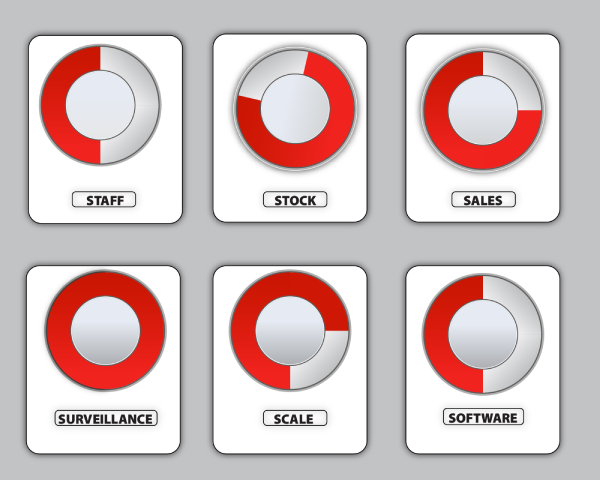
Retail Healthometer
Check the health of your business? Are you ready to organize & scale ?
Author Bio

Nikhil Agarwal
Chief Growth Officer