
Retailing used to be a straightforward operation. A store was open, customers entered the store, salespeople assisted them in making their product selections, and the final figure was the total number of purchase receipts. The current state of retailing has changed that perception. Managing a retail store now means managing not just the shelves and counters within the store but also managing many different digital platforms and complex customer expectations throughout the world.
A customer can shop on the Internet, use his/her mobile phone to compare prices with other retailers before purchasing an item in person at a location where he/she feels comfortable. Therefore, retailers have both opportunities and challenges presented by their ability to sell through multiple channels. Retailers’ traditional methods of managing individual stores do not keep pace with the current conditions, real-time information requirements, and internationally based competition.
The retailers who will define tomorrow’s retail industry are those who have mastered modern retail and sales management principles, and developed a sound omnichannel retail strategy based on best practices in retail operations is where the future of retail will be shaped.
The Changing Reality of Retail Store Management
Retail leaders typically focused on optimizing their stores’ layout, training staff and managing inventory a decade ago. Today, managing a store in retail varies significantly from when it was simply managing physical locations; it has expanded to managing customer journeys between both online and offline environments. Retailers are now required to manage real-time inventory, monitor their digital traffic as well as how each store is performing within a global context.
As a result of the increase in online shopping and social media’s introduction, many retailers around the globe have discovered that the traditional way of managing retail stores will no longer work in isolation. As such, the role of the store manager has changed from running an operational store to acting as an operational strategy based on data, profiling customers, and working using a unified integrated retail strategy.
In terms of the customer journey, it’s very fragmented. A customer typically has a journey through which they:
- see an item on facebook and instagram
- search for the same item on an ecommerce site
- check availability of the product at a local store
- go to the store to consider the item
- buy the item via mobile checkout app
Thus, operational alignment is essential to ensure a cohesive customer experience and prevent loss of sales. In order for the retail sector to continue to move forward, it is important to find a way to connect the various points of interaction a customer has had with the retailer so that each retail store sales unit produces revenue as part of a unified global sales system, instead of as independent sales units.
The Operational Challenges Global Retailers Face
There is a complicated operations model behind the smooth digital storefronts and physical stores. When stores are open all over the world, it makes things much more complicated for retailers to manage their employees, coordinate their supply chain, and interact with their customers.
Retailers today regularly struggle with many of the same challenges associated with retail store management.
Operational fragmentation
There are several retailers who currently operate on several separate retail management systems with no interconnectivity for each one. This means employees on different teams will have no systemic way of measuring performance. Therefore, I will find it considerably more difficult to accomplish typical retail work activity.
Inconsistent store execution
As retailers grow globally, it’s difficult for them to have a consistent standard of store management across their locations. Store designs, staff productivity, and customer service are often very different by location.
Limited real-time insights
Business leaders are unable to make effective decisions without integrated analytics. Analytics are important as they provide insight into store performance or trends in customer behavior.
Inventory Visibility Gaps
Customers expect to be able to find true and accurate information regarding inventory via both online and in-store channels. Many retailers still operate with a lag in terms of communicating an accurate representation of their inventory level.
Workforce Inefficiencies
The way in which companies utilize staff scheduling, training and workforce productivity tracking is often not connected to what actually sells and what customers are doing.
These examples illustrate why retailers need to rethink their retail operations strategy. Retailers can no longer expect that simply adding technology to their operations will solve their business issues; instead, they must develop an integrated operating model that is able to support the integrated nature of their global operating model and the unique customer experiences associated with each of their multiple channels of engagement.
Building a High-Performance Retail Operations Strategy
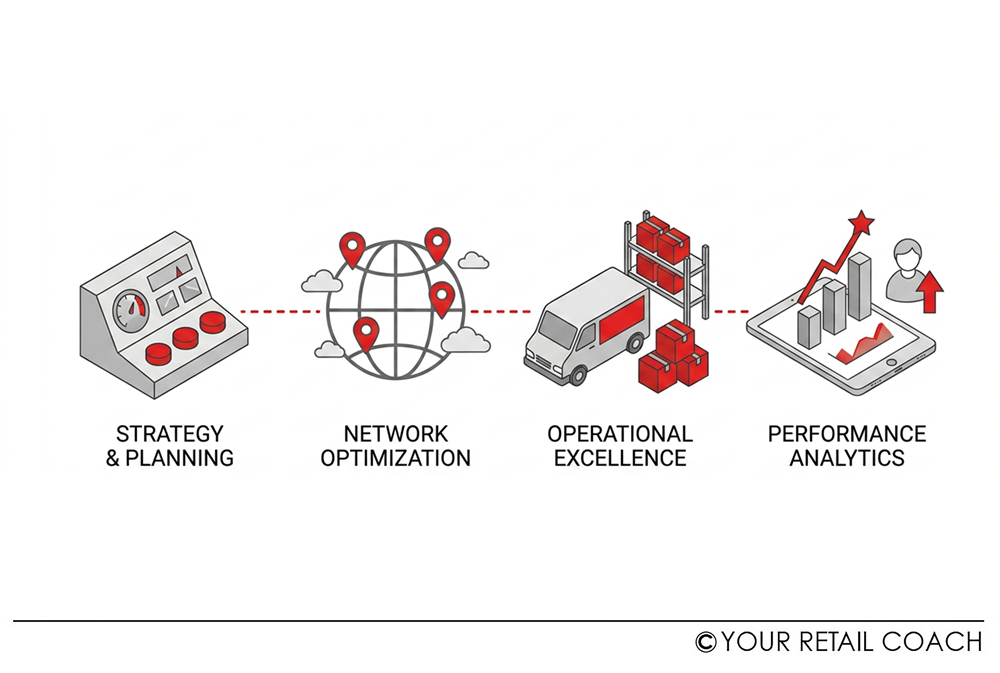
Successful retailers see retail store management as being much more than just an administrative task; it is viewed through the lens of being a strategic capability. Effective retailers have reorganized their retail operations around three major areas of focus; agile retail, data driven intelligence, and customer centric processes.
Typically, these organizations have a well-defined strategy that addresses the following key areas:
1. Data Driven Decision Making
Modern retailing and sales management is based on the use of analytics. Retailers analyse their customer behaviour, sales trends, and inventory movement by channel to help them make decisions at each store.
2. Standardised Global Store Frameworks
All leading retailers have standardised store management practices, as well as flexibility to adapt to local needs, across all store locations. This allows retailers to implement proven operational models to provide a consistent customer experience in every store.
3. Integrated Inventory Management
Having all inventory in one system enables all customers to view the same product across all locations. This results in faster delivery times for the customer and fewer lost sales.
4. Intelligent Workforce Management
Many retailers have developed AI driven scheduling and productivity systems to align employee staffing levels to customer traffic patterns.
5. Ongoing Performance Measurement and Monitoring
Real-time dashboards enable retailer management to track store performance, employee productivity and customer engagement metrics.
With all the above items working together, retail stores become operational hubs instead of just isolated points of sale. A quality retail operations strategy will allow retailers to operate globally while providing consistent product quality and operational efficiencies.
About YRC
YRC assists global retailers in transforming the management of their stores into a successful system that achieves high performance through developing the tools necessary to do so.
Due to extensive knowledge in retail store management, retail and sales management as well as extensive knowledge of advanced retail operations strategies, YRC’s assistance to retailers will help them develop a scalable and efficient retail ecosystem.
Through consulting with retailers, YRC supports them in the development of data-driven strategies that will help improve their store’s performance, developing the necessary tools and processes required, and developing the necessary frameworks for effectively managing their retail stores in an omnichannel manner.
Retailers partnering with YRC will receive actionable insights, structured ways of implementing these insights and proven ways of achieving consistency across all of their global retail stores while maintaining flexibility and continuously improving their operational and financial performance.
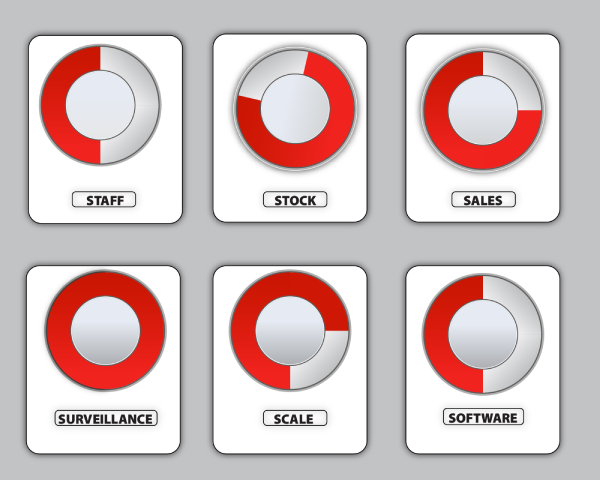
Retail Healthometer
Check the health of your business? Are you ready to organize & scale ?
Author Bio

Nikhil Agarwal
Chief Growth Officer
Nikhil is a calm and composed individual who has a master’s degree in international business and finance from the United Kingdom. Nikhil Agarwal has worked with 300+ retail e-commerce brands and companies from various sectors, since 2012, to define their growth strategy and achieve operational excellence. Nikhil & his team have remarkable success stories of helping brands achieve 10X growth.