
When Elena became responsible for her retail company’s international expansion she thought growth would be her greatest obstacle; however, to her surprise, the opposite was true; her stores provided an inconsistent result in terms of performance regardless of the level of demand for each store. Why is this? Because while some of her teams were high performers, others struggled at only executing the basics of retailing. This difference in output was not merely observed by Elena’s store teams, but also by customers of her stores.
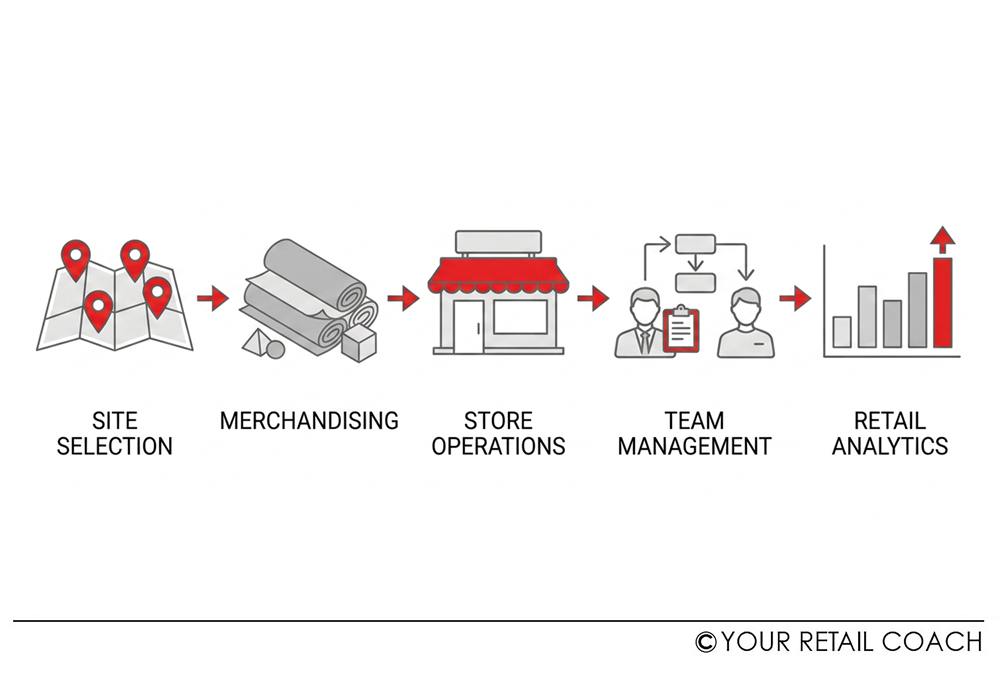
Thus, what Elena experienced is reflective of a greater reality in today’s retail world. Today’s retail environment requires an organized approach that enables providing a unified approach to retail store management which encompasses the areas of retail store operations, retail store sales, retail store technology, and retail store experience. Ultimately, without unification amongst these areas, retail growth will create disorganization rather than scale. Therefore, this guide will provide insight as to how retailers today can develop productive, consistent and high performing store operations.
What is Modern Retail Store Management All About?
Elena recognized that her original view of the role of store management was out of date; previously it was all about supervising people and making sure they did their jobs properly; today it’s more about working together with different departments and developing strategies to ensure each department works together effectively.
Modern store management now integrates all various aspects of retail operations including operations, sales, inventory, and customer service into one cohesive system; in other words, each other will help contribute to the common goal of providing the same experience.
Retailers need to change from being reactive to becoming proactive; therefore, retailers need to implement a structured framework for decision making based on clear definitions of retail processes and responsibilities.
The major components of this shift will be:
- the development of clear definitions of the retail processes and responsibilities;
- the integration of retail and sales management functions; and
- real time visibility of store performance metrics.
The result of this shift will be a retailer going from simply dealing with daily operations issues to developing a creative and innovative process to manage their operations in order to eliminate those problems or prevent them from happening altogether.
Building Strong Foundations with Structured Processes
Elena saw the importance of documenting each store’s process, but was shocked to discover all stores are using different methods. The stores have many unstructured ways of handling items and providing customer service, and most stores do not follow reporting standards.
Structured processes to manage the retail store are critical; without them even experienced teams will have difficulty managing the store with consistent results.
Establishing standard operating procedures assists in ensuring that every store operates with the same methods, regardless of where they are located or what team manages them. This increases predictability and decreases the operational risk.
The following are the important areas that need to be defined and consistently followed as a retailer:
- Opening and closing procedures for the store.
- Inventory management and replenishment.
- Customer interaction and satisfaction standards for customer service.
When processes are clearly defined and consistently followed, retailers are able to have improved control of their operation and its performance.
Getting Retail and Sales Management to Work Together for Growth
Elena saw that her sales teams were very focused on meeting their goals, while her operations teams were more focused on keeping track of inventory and store activities. This disconnect led to missed chances and inefficiencies.
Sales and retail management need to work together as one system. Sales strategies should be based on operational capabilities, and operations should be based on sales insights.
For instance, advertising campaigns should match the amount of stock on hand, and employees should be trained to turn customer interest into sales.
You can get things in line by:
- Sales and operations share performance metrics
- Store teams and leaders should talk to each other often.
- Making decisions based on sales and inventory trends that are backed up by data
This integration makes both making money and running the business more smoothly.
Using Technology To Gain More Control And See Things More Clearly
As Elena grew into more areas, it became harder to report manually and connect systems. She couldn’t see how well the store was doing in real time, which made it hard to respond quickly.
Managing a modern retail store depends heavily on technology. It lets stores keep an eye on their operations, keep track of their performance, and make smart choices.
Retail management systems, such as SAP store management, help bring together data and make processes more efficient.
Some benefits of using technology are:
- Tracking sales and inventory in real time across all locations
- Automated reporting that cuts down on mistakes made by hand
- Better communication between stores and central teams
Retailers can move from reactive management to proactive decision making if they have the right technology.
Developing a Customer-Centric Store Experience
Elena discovered that creating an awesome customer experience was still the major factor impacting a retailer’s ability to differentiate themselves from their competitors despite advances in technology and process improvements. Stores providing a persistently engaging customer experience minimally outperformed all other stores.
The focus should begin with ensuring that the customer always takes precedence throughout the entire store management experience. This includes store layout, employee interaction, product availability and service quality.
Developing a customer-centric store experience means improving operational efficiencies to ultimately provide customers with better overall shopping experience.
The following three areas are key to developing a customer-centric store environment:
- Educating employees on how to meet customer’s needs.
- Creating visually appealing and well-organized stores.
- Collecting and acting on customer feedback.
Once customer experience has become a core responsibility of all aspects of running a store, it will increase customer loyalty, generate repeat business and ultimately, lead to ongoing growth for the retailer.
Key Takeaway
Retail stores that are effectively managed provide retail businesses a consistent level of growth and customer satisfaction. Retailers are able to provide a better experience to their customers when they have aligned their processes, people and technology. This helps them to achieve greater than just meeting daily business challenges and build stores that are high performing.
The primary focus needs to be on creating structure around executing and enhancing the experience for every customer to ensure success for the long term.
Why Choose YRC?
YRC helps retailers create structured, scalable store management systems that meet the needs of the retail world.
- Consulting that focuses on execution to make sure improvements can be measured
- Standardized ways to run a store in more than one location
- Advice on retail technologies, such as SAP store management systems
- Designing processes and putting SOPs into action to make sure that stores run smoothly.
- Helping store managers and frontline teams get better at what they do
- Performance diagnostics to find gaps in operations and sales
YRC helps companies go from running stores in a disjointed way to running stores that work well together.
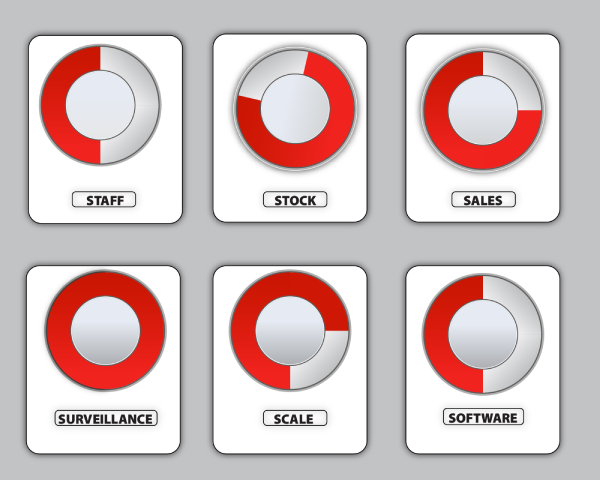
Retail Healthometer
Check the health of your business? Are you ready to organize & scale ?
Author Bio

Nikhil Agarwal
Chief Growth Officer
Nikhil is a calm and composed individual who has a master’s degree in international business and finance from the United Kingdom. Nikhil Agarwal has worked with 300+ retail e-commerce brands and companies from various sectors, since 2012, to define their growth strategy and achieve operational excellence. Nikhil & his team have remarkable success stories of helping brands achieve 10X growth.