
Sustainability in E-Commerce with SAP Signavio
Sustainability is a key consideration of today’s eCommerce businesses due to the public’s increasing understanding of the effects that our activities have on the environment (carbon emissions, waste from packaging, etc.). There are regulatory requirements (laws) and also global standards regarding ESG (Environmental, Social and Governance) that have to be adhered to by a company’s entire value chain. As there is an expectation of increased transparency and accountability in regard to sustainability and where a company’s products come from; therefore; brands are under great pressure to incorporate new eco-friendly practices throughout their supply chain.
ECommerce is generally considered to be quite energy-intensive as a result of the logistics involved in receiving & processing orders, managing product returns, as well as managing a very broad product variety, which creates additional layers of complexity in relation to sustainability. Retailers need to develop constantly evolving methods for reducing their waste output whilst maintaining fast shipping and a quality customer shopping experience. The optimization of eCommerce processes (through data-driven decision-making) must be a priority to achieve this sustainable approach to eCommerce.
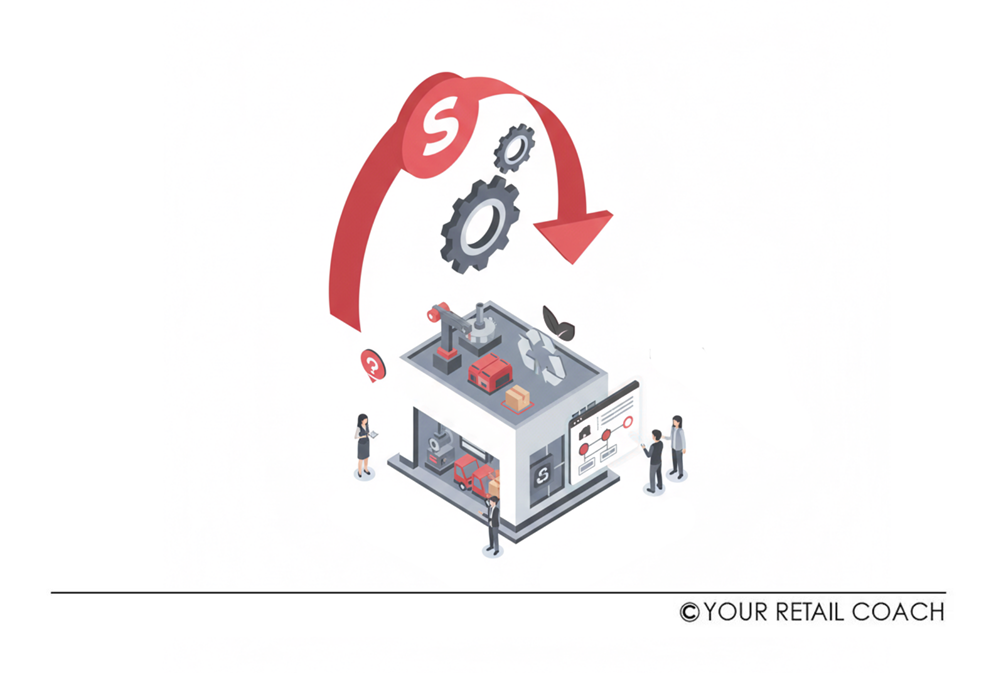
In order to gain an understanding of the overall environmental impact of their eCommerce operations as well as to ensure that they will remain viable for future generations, Signavio’s Business Process Management (BPM) module for ECommerce enables retailers to map out their entire product journey from the point that a consumer clicks to place an order, through to when the consumer receives their order, in order to identify inefficiencies that increase both energy usage and carbon emissions associated with the overall process. By improving the efficiency of their business processes, retailers are positioned to improve the sustainability of their operations while simultaneously improving their overall operational efficiencies, and in turn, differentiate themselves from their competitors.
Key Sustainability Challenges Across E-Commerce Operations
There are numerous challenges that e-commerce companies encounter when developing eco-efficient workflows. These include the following:
- The high return rates, which contribute substantially to unnecessary emissions from transportation.
- Excessive packaging due to either inefficient sizing or standardizing of products.
- Warehousing that uses a large quantity of energy; this occurs particularly during times of high customer demand.
- Inefficiency in the route of delivery to last mile locations, thereby using an excessive amount of fuel.
- Lack of visibility into the supply chain, which results in limited opportunity for using sustainable materials when determining a source of supply for items.
- Inaccurate inventory data, which leads to excessive amounts of inventory being carried or abandoned as waste.
- Fragmentation of processes, making it difficult to determine what the sustainability metrics are for an operation.
Many of these challenges are a result of the use of isolated systems or an unclear operational workflow; therefore, many sustainability initiatives will fail to reach their full potential, will not be scalable, or the impact can not be measured due to a lack of governance over the processes by which these initiatives are developed and executed.
This is where the journey map and process mining of online retail will assist in identifying the underlying causes for environmental inefficiencies, such as delayed deliveries, duplicate shipments, or unnecessary movement of inventory in a warehouse. By providing clear visibility into how operations are currently functioning, retailers will be able to redesign those operations in such a manner that will decrease their impact on the environment without compromising performance.
How Signavio Enables Eco-Efficient Process Transformation
Signavio supports the sustainability programs of retailers by providing the capability to model, analyze, and enhance processes across the entire e-commerce life cycle. The ability to create a visual representation of how much waste a business creates in terms of environmental impact (such as unnecessary packaging, excess shipping distance, etc.) allows a company to identify where their waste comes from and take actions to eliminate that waste.
By integrating sustainability goals into existing business processes, Signavio BPM for e-commerce allows teams to create new workflow designs that reduce their use of resources. Retailers can determine where they can benefit from automation (reducing the need for human intervention), eliminate redundancy within their back office, and improve the performance of their overall supply chain by utilizing Signavio.
Signavio’s platform encourages collaboration among supply chains, operations, and customer service teams to create greener business practices. By providing standardized processes and clear documentation, organizations can apply sustainable business practices to all markets on a global scale.
In addition, Signavio has integrated its platform with various ERP systems to help retailers use their data in a more efficient manner when making decisions regarding resource allocation and utilization. With accurate and reliable resource tracking and reporting, including energy consumption, shipping distance, and packaging volume, retailers can see where they stand from an environmental perspective and develop plans to support their sustainability objectives.
Using Process Mining to Reveal Environmental Inefficiencies
E-commerce Process mining is vital for helping organizations operate sustainably by delivering data-based insights into actual workflow activity and therefore help them discover inefficiencies that causes their operations to have a higher impact on the environment. Examples of these inefficiencies include:
- Duplicate shipments as a result of order processing mistakes or misinformation.
- Unnecessary movements of goods inside warehouses that use unnecessary amounts of energy.
- Ineffective routing by using longer distances to deliver goods.
- Bottlenecks that result in longer operational runtime and more energy used in the logistic process.
- Unbalanced flow of inventory or overstocking goods which generate excess waste.
- Returning excessive amounts of goods, creating an artificially high carbon footprint.
- Poor forecasting creates either overproducing or over-supplying goods or services.
By visualizing processes that violate the concept of eco-efficiency, Signavio provides companies with an easy-to-read journey map that depicts the outcomes of each violation. This way retailers can put numbers on the various resource-intensive activities within their processes, and therefore make it easier to prioritize green improvements based on objective measurements.
When combined with modelling tools, these insights can help companies improve their supply chain processes to make them more sustainable. This includes optimizing delivery routes, reducing the number of packaging steps required to ship products, and coordinating more environmentally friendly warehouse workflows. In the end, this improves supply chain process excellence and supports businesses’ need to be environmentally responsible.
Sustainable Supply Chain and Inventory Optimization
The primary contributor to the environmental impact associated with e-commerce operations comes from issues associated with supply chain operations/inventory management; overstocking, inefficient replenishment cycles, and unnecessary transport result in increased waste and emissions. Signavio assists retailers in optimizing these processes to facilitate a sustainable future.
Integrating an ERP increases the effectiveness of these processes by providing retailers with accurate demand forecasting as well as real-time inventory updates. By integrating the Signavio Process Map with retail ERP systems, retailers can eliminate unnecessary stock transfers, minimize emergency shipments, and balance their warehouse locations for the best distribution to customers.
Optimizing online retailing processes with Signavio also enables retailers to develop sustainable procurement strategies, allowing retailers to model their supplier workflows and implement environmentally friendly packaging solutions.
Retailers who achieve process clarity and consistency can create a green supply chain as well as a resilient operational supply chain; these two supply chain management excellence attributes realize digital commerce process excellence while supporting sustainability objectives.
Packaging, Fulfillment, and Last-Mile Efficiency Through Signavio
The environmental effects of packaging and delivery operations will negatively impact upon our environment; therefore, our method of achieving excellence in our delivery operations through Signavio will help:
- Reduce waste in the packaging fulfilment process by optimising packaging workflow to minimise the amount of packaging material used;
- Create automated box size selection rules which allow for decreased volume of boxes;
- Provide improved routes for warehouse picking; therefore, decreasing the amount of energy consumed;
- Standardise return processes to prevent double shipping;
The Signavio Application assists with redesigning many of the traditional packaging workflows that produce unnecessary waste. Packaging processes are typically based on human judgement resulting in oversized packaged items. Automated size selection rules that are generated as part of the Signavio Application will standardise the way that we package items.
FAQs
What is Signavio's role in the sustainability of e-commerce?
Can process mining reveal any areas where these processes are inefficient or unproductive?
How does ERP Integration improve a company's ability to operate sustainably?
Author Bio

Rupal Agarwal
Chief Strategy Officer


Get In Touch