
Are you aware how poor store management can affect a business? A retail company faced an unexpected challenge. Customers were walking into stores, yet profits declined.
Shelves remained empty even when stock was available in the back room. The leadership team initially blamed market conditions. The real problem was poor store management.
Many organizations invest heavily in marketing and customer acquisition but underestimate the importance of a well-defined store management.
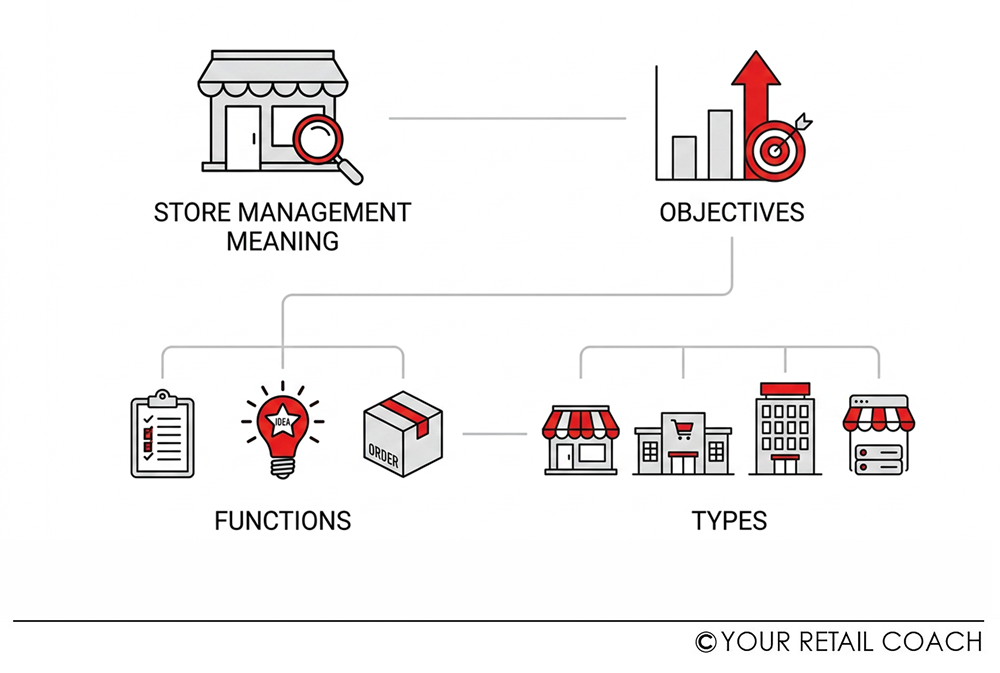
What is the Meaning of Store Management?
Store management is what you do when you plan and organize the store. This includes the inventory, the storage facilities and how products are moved around. Store management is also about controlling and monitoring the workflows in the store.
Store management is very important for a business because it helps with the inventory and the storage facilities and the product movement and the operational workflows. Store management is the key, to making sure the store runs well.
Without proper systems, businesses often face:
- Inventory discrepancies
- Product shortages
- Overstock situations
- Delayed replenishment
- Reduced customer satisfaction
- Higher operating costs
Store management directs the store manager to have every product stored correctly. Aside from that, it ensures the product is tracked accurately and available when required.
Significance of Store Management in Modern Retail
Strong store management helps organizations to look after:
- inventory accuracy
- customer satisfaction
- Reduce waste and losses
- employee productivity
The success of retail and sales management depends heavily on how efficiently products are managed behind the scenes. When store operations function smoothly, customers rarely notice. When they fail, customers immediately feel the impact.
Key Objectives of Store Management
The major objectives include the following:
- continuous stock availability
- Preventing stockouts and overstocking
- storage space utilization
- smooth product movement
- Reducing inventory carrying costs
A well-thought store management also catalyzes the growth and expansion of the business. Companies expand into new markets. This is when they would need strong inventory and storage practices. These practices help the brands maintain consistency across all the various locations.
Core Functions of Store Management
Store management involves several interconnected functions that work together to support business operations.
Receiving and Inspection
When products get to the store from suppliers the process starts. The store team checks how many products there are, looks at the quality of the products and makes sure the products are what we ordered.
Getting the products right when they arrive helps to stop mistakes from happening with the inventory of products. This is important, for the products and the store.
Storage Management
We need to store products in an organized way. This is important because when we store things properly it helps to prevent damage to the products. It also makes it easier for us to find what we need. We can get to the products we want a lot faster when they are stored correctly.
Effective storage practices include:
- Product categorization
- Shelf labeling
- Space optimization
- Safety compliance
Inventory Control
Inventory control focuses on tracking stock levels and maintaining accuracy.
Key activities include:
- Stock counting
- Inventory reconciliation
- Reorder monitoring
- Demand forecasting
Stock Replenishment
Store managers must ensure products move efficiently from storage areas to customer-facing shelves.
Timely replenishment helps maintain product availability and prevents lost sales opportunities.
Record Keeping
Modern store management relies heavily on accurate data.
Managers maintain records related to:
- Inventory levels
- Product movements
- Supplier deliveries
- Sales trends
- Returns and damages
These functions create the operational framework necessary for successful retail store management.
Types of Store Management
Different businesses require different approaches to store management. The best system depends on company size, industry, inventory complexity, and customer expectations.
Manual Store Management
This traditional approach relies on physical records, spreadsheets, and manual inventory tracking.
Advantages:
- Low technology investment
- Easy implementation for small businesses
Challenges:
- Higher risk of human error
- Limited scalability
- Slower reporting
Manual systems may work for small operations but often struggle as businesses grow.
Automated Store Management
Automated systems use software, barcode scanning, and inventory management platforms.
Benefits include:
- Real-time visibility
- Higher accuracy
- Faster processing
- Better reporting capabilities
Most modern retailers now rely on automated solutions to manage large product catalogs efficiently.
Centralized Store Management
In centralized systems, inventory decisions are managed from a central location.
Advantages:
- Consistent policies
- Improved control
- Standardized processes
Large retail chains often use centralized management to maintain uniformity across locations.
Decentralized Store Management
Here, individual stores manage their own inventory and operations.
Benefits include:
- Faster local decisions
- Greater flexibility
- Better response to regional demand
This approach is common in businesses operating across diverse markets.
Retail Store Management and Customer Experience
A customer usually does not see the inventory records or the way things are stored. These things have a big effect on what the customer thinks of the store.
Consider two stores that sell the things.
The first store keeps track of what they have, in stock. The shelves are easy to look at and they get more products when they need them. So customers can find what they want. Buy it quickly.
The second store has a time keeping track of inventory. The shelves are empty when they have products in the back.
Employees cannot locate products efficiently. The difference lies in store management.
Strong retail store management improves:
- Product availability
- Store appearance
- Order fulfillment speed
- Staff responsiveness
- Customer satisfaction
Today’s consumers expect reliability. Businesses that consistently meet those expectations gain customer loyalty and long-term growth opportunities.
The Role of Technology in Modern Store Management
Technology has transformed how organizations manage inventory and store operations.
Modern businesses increasingly use advanced systems to improve visibility, accuracy, and decision-making.
Popular technologies include:
- Inventory management software
- Barcode systems
- RFID technology
- Cloud-based platforms
- Mobile inventory applications
- Analytics dashboards
These tools provide real-time access to inventory data and operational insights.
Technology also supports better collaboration between suppliers, warehouses, stores, and customers.
We know businesses continue to expand. Technology-driven store management will play an even greater role in making things better for businesses, in the coming years.
Common Store Management Challenges
One common issue is inventory inaccuracy. Even small discrepancies can create significant operational problems over time.
Some other challenges include:
- Stockouts
- Overstocking
- Product damage
- Space limitations>
- Employee training gaps
- Demand fluctuations
- Supply chain disruptions
For companies that operate in many places these problems get even tougher because of different locations. Also, customer demand may shift and rules may keep changing.
To solve these problems companies need to make ways of doing things using technology. This way, they can attend to their needs and always keep an eye on how well they are doing.
Companies that deal with store management problems before they get out of hand usually have well performing operations.
Best Practices for Effective Management of Retailing Operations
Successful businesses follow proven store management practices to maintain efficiency and profitability.
Some of the most effective practices include:
- Conduct regular inventory audits
- Implement inventory tracking systems
- Standardize receiving procedures
- Train employees consistently
- Monitor stock movement patterns
Regular performance reviews can be helpful, too. Effective management of retailing operations requires a balance between technology and processes.
Why YRC
Businesses today work in complicated retail worlds. Managing stock, store tasks that customers want and making money at once is tough.
YRC helps companies make things simpler with retail advice, good operation plans and strategies to grow. We have a team with lots of experience in changing retail, making inventory better, handling sales everywhere and getting results.
About YRC
YRC is a retail and eCommerce consulting organization that supports businesses across various industries in accomplishing operational excellence and growth.
Key highlights include:
- Expertise in retail strategy and transformation
- Strong experience in store operations improvement
- Support for inventory and supply chain optimization
- Omnichannel retail consulting capabilities
- Focus on customer experience enhancement
Get in touch with YRC today to build stronger retail ecosystems capable of supporting future growth.
FAQs
What is store management in retail?
Store management refers to the planning and organizing activities and processes within a retail environment. It ensures operational efficiency and product availability. A store management well done helps the retailers with accurate inventory records, and improved customer satisfaction.
Why is store management important for retailers?
Store management helps retailers maintain inventory accuracy and reduce stockouts. They can also achieve customer experiences and increase profitability. Efficient systems ensure products are available when needed.
What are the main objectives of store management?
The primary objectives include:
- ensuring stock availability
- reducing inventory costs
- preventing stock discrepancies
- improving operational efficiency
- supporting customer satisfaction
- optimizing storage utilization
What are the different types of store management?
The major types of store management include
- manual store management
- automated store management
- centralized store management
- decentralized store management.
Each approach offers unique benefits depending on business size, operational complexity, and organizational goals.
How does technology improve store management?
Technology improves store management through:
- real-time inventory tracking
- automated replenishment alerts
- barcode systems
- RFID solutions
- analytics dashboards
- cloud-based platforms.
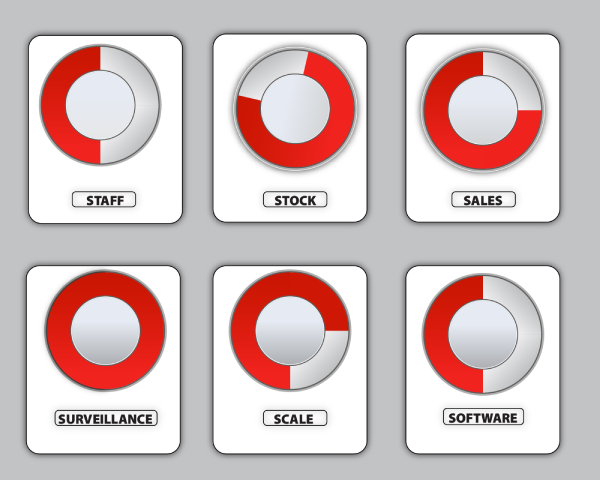
Retail Healthometer
Check the health of your business? Are you ready to organize & scale ?
Author Bio

Nikhil Agarwal
Chief Growth Officer