
As Marcus sat down to assess his quarterly performance metrics, it became apparent what the problem was: foot traffic was strong, product availability was sufficient, and there were strong marketing campaigns. Yet no store achieved continued success. Some stores outperformed their sales targets, while others struggled to achieve an acceptable level of profitability.
Demand was not an issue; rather the issue lay in how to execute strategies effectively. Marcus had concentrated primarily on implementing processes that would fuel growth, but less attention to aligning store operations and sales strategies. Like many other contemporary retailers, he had underestimated what it truly means to manage retail, which involves more than simply managing a retail establishment or driving sales in isolation; it means creating an integrated retail management and sales operation!
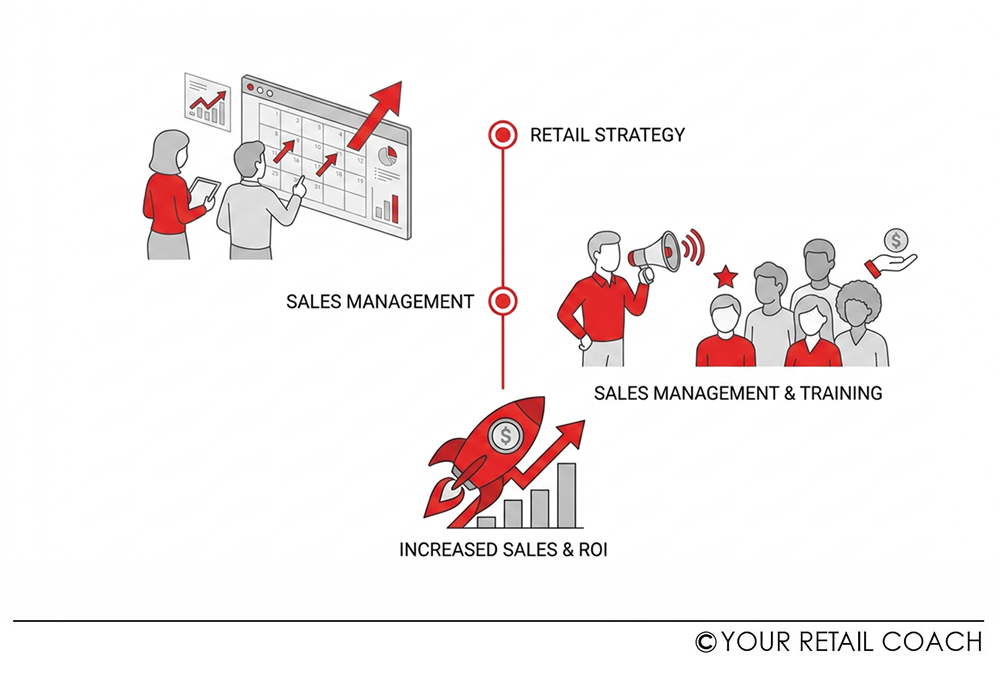
This is where having effective retail and sales management strategies impacts store performance and creates a foundation for sustainable profitability!
Understanding the True Retailing Management Meaning
Marcus initially believed retailing management meant overseeing store operations and tracking sales numbers. However, he soon realized it goes much deeper.
Retailing management meaning today involves synchronizing operations, sales, inventory, and customer experience into one unified approach. Retail store management is not just about maintaining order. It is about enabling performance.
A clear understanding helps retailers move from reactive decision making to strategic control.
Key elements include:
- Connecting operational efficiency with sales outcomes
- Using data to guide both inventory and selling decisions
- Creating accountability across store teams
Once retailers understand this integrated approach, they can design strategies that directly impact profitability rather than just managing daily activities.
Aligning Retail Store Management with Sales Goals
Marcus realized the inconsistency between his store teams’ focus and objectives as both teams would work toward different goals; sales teams chasing sales targets while operations teams were solely concentrated on stocking inventory or processes. This misalignment hurt overall performance.
Retail store management will be more profitable when both stores and warehouse operations are closely aligned with sales objectives. Every operational decision should be made with revenue generation as the main priority.
An example of this would be to make sure that the inventory is planned according to sales trends and that employee staff are placed on duty at the right times during peak sales.
Ways to achieve successful alignment include:
- Establish common KPI’s between the operations team and the sales team
- Make sure the inventory is planned according to sales history/patterns
- Make sure that employees are trained on functioning in both an operational capacity as well as a sales capacity.
When the goals for managing a store and making sales are the same, the stores and the company as a whole work better and make more money.
Optimizing Store Operations to Reduce Cost Leakage
In reviewing his stores, Marcus saw that hidden inefficiencies were taking away from profits. Overstocking, stockouts, and poor utilization of staff all contributed to unnecessary costs.
Retail management is vital for controlling those operating inefficiencies. Profitability means not only increasing sales, but also reducing waste.
Streamlining operations allows retail businesses to protect their margins, while also improving their overall performance.
Areas of important focus:
- Accurate management of inventory to eliminate overstocking and stockouts
- Efficient scheduling of staff based on store traffic patterns
- Regular auditing of processes to identify process gaps
When tighter operational controls are established, retailers can significantly enhance their profitability without increasing their revenues.
Better Decisions Using Data and Technology
Marcus was having issues with receiving reports late as well as incomplete. By the time he was able to recognize an issue, it was too late to take advantage of the opportunity.
Stores use technology and data to make smart decisions quickly. Retailers can be flexible and respond quickly to changes in their environment because they have access to real-time data. Technology makes it easier for salespeople, stores, and the warehouse to work together.
Some of the benefits are:
- Being able to see sales and inventory in real time
- Being able to look at data to make prices and sales better
- Having the ability to better forecast demand to plan inventory levels
Utilizing technology as a tool to make decisions ultimately gives retailers control over their operations thereby allowing them to positively affect their efficiency and profitability.
Aligning Retail Store Management with Sales Strategy
Retail profitability can suffer due to the disconnection of store operations and sales from each other – store management must focus on revenue goals, not just daily operations. To do this requires a thorough understanding of true retail management; this means having a management system that connects people, product and sales.
To improve their outcomes, retailers should focus on:
- Shared KPIs between both operation and sales.
- Inventory plans that support demand.
- Employee training that integrates the sales process with operation efficiencies.
When these teams work together, stores run more smoothly. Moreover, the transaction process goes more smoothly, and they have more chances to turn customer purchases into revenue and long-term profits.
Reducing Operational Inefficiencies to Protect Margins
Retail can experience issues with profit when retail sales and operations are working separately from each other. Retail Store Management needs to develop a relationship with revenue goals through execution rather than just performing regular duties. As a result, developing a clear and concise understanding of retail management is critical in the relationship between inventory, staff and sales.
Retailers can get better performance with the implementation of the following:
- Shared KPI’s between Operations and Sales
- Demand planned inventory
- Staff trained on selling AND being able to perform efficiently.
Better alignment of both Operations and Sales will create purpose for the stores, reduce friction and allow for more opportunities to convert to measured revenue growth and to achieve ongoing profit.
Conclusion
To increase profitability of a retailer/store more than just being aggressive in sales tactics is needed. To maximize potential for profit, retail stores must have a balance of operational management and sales strategies that work together in harmony with one another.
Understanding what retail management means gives retailers the tools to create systems to develop both operational performance and profitability through the establishment of synergy across teams by eliminating waste and creating a structured way of executing work. With a strong commitment to the delivery of value to the customer, organizations will be able to build high performing stores.
Profitability today in the retail space is not simply based on increased sales volume. It requires retailers to have the ability to manage effectively, respond quickly to customers, and consistently provide value through the retail experience at all locations.
Why Choose YRC?
YRC helps stores come up with and put into action integrated strategies for managing and selling that make them more money.
- Aligning the management of a retail store with goals for sales and profit
- What structured retail management means for businesses today
- Optimizing processes to cut down on inefficiencies and cost leaks in operations
- Improving conversions and average transaction value through sales training
- Advice on retail systems and making decisions based on data
- Performance diagnostics to find problems with sales and operations
- Consulting that focuses on execution to bring about measurable increases in profits
YRC helps stores run their businesses in a way that is efficient and profitable.
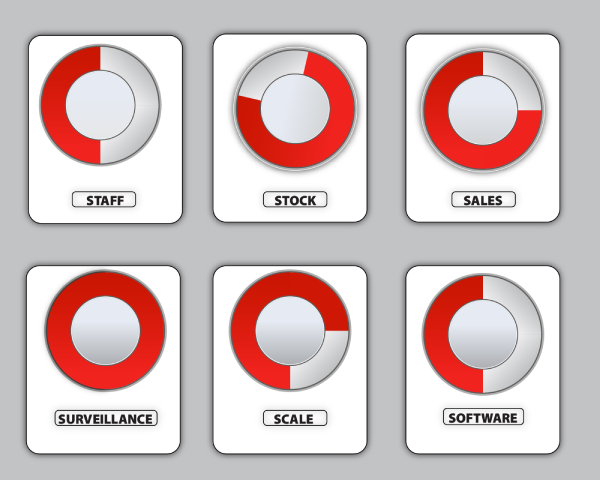
Retail Healthometer
Check the health of your business? Are you ready to organize & scale ?
Author Bio

Nikhil Agarwal
Chief Growth Officer
Nikhil is a calm and composed individual who has a master’s degree in international business and finance from the United Kingdom. Nikhil Agarwal has worked with 300+ retail e-commerce brands and companies from various sectors, since 2012, to define their growth strategy and achieve operational excellence. Nikhil & his team have remarkable success stories of helping brands achieve 10X growth.