
An SOP-based operations blueprint is a set of rules telling what to do, when, how, where, and by whom.
It works at the level of execution.
At the micro-level, SOP for retail business define how every store operation must be executed.
At the multi-store level, it brings uniformity of operations and brand messaging.
How to check if your SOPs are ready? (SOP Testing Methods, SOP Evaluation)
Method 1: Gemba Walk
See it for yourself.
- Walk a shift, follow SOP execution from A to Z.
- Note observed gaps.
- Assess potential gaps.
- Discuss the necessary changes with stakeholders.
- Improvise, test, and implement the new SOP.
- Periodic SOP audit and feedback loop.
Method 2: Employee Feedback
FPP (First Person Perspective)
- Talk to your employees directly.
- Involve managers/team leaders.
- Discuss challenges faced and potential solutions.
- Discuss the necessary changes with stakeholders.
- Improvise, test, and implement the new SOP.
- Periodic SOP audit and feedback loop.
Method 3: Third-Person Check
A fresh perspective (TPP – Third Person Perspective)
- Appoint an outsider/employee from another department.
- Let them execute an SOP till the end.
- Ask them where they encountered problems in understanding or following the SOPs.
- Talk to employees who currently execute the SOP (involve supervisors/managers)
- Discuss the necessary changes with stakeholders.
- Improvise, test, and implement the new SOP.
- Periodic SOP audit and feedback loop.
Method 4: Process Output Check
Is the SOP giving the desired output?
- Evaluate every SOP on whether it is achieving output as intended.
- Analyse causes of deviations, if any.
- Discuss necessary changes with stakeholders.
- Improvise, test, and implement the new SOP.
- Periodic SOP audit and feedback loop.
Method 5: Stress Testing / Scenario Testing (Consistency and Integrity)
Can the SOP deliver output under stressful situations? Stress testing can be simulated or a real-business situation. It can also be used with mystery audit.
- Choose an SOP for testing a stressful situation/simulation (e.g. OMS performance during peak hours, high-value inventory reconciliation mismatch, intensified nature of complaint)
- Define what parameters you will monitor, method of rating and results
- How will you collect the data for monitoring and analysis? Choose reliable sources
- Analyse causes of SOP breakdown, if any.
- Discuss necessary changes with stakeholders.
- Improvise, test, and implement the new SOP.
- Periodic SOP audit and feedback loop.
Method 6: Mystery Audit
Are your SOPs followed when you/system is not watching?
- Choose an SOP for evaluation.
- Choose a qualified outsider for mystery audit (as a customer, supplier or any other relevant role)
- Acquaint them with what needs to be observed or asked to store employees.
- Analyse causes of SOP non-adherence or breakdown, if any.
- Make SOP improvisations, if necessary.
- For the non-adherence problem, communicate the criticality of SOP adherence in broad reference (say, at team level).
- Periodic SOP audit and feedback loop.
Tips to Make SOPs More Effective | SOP Best Practices
Keep SOPs Simple and Easily Comprehensible
- Easy Language
- Practical Workflows
- Easy Adoption by Store Teams
- Use visual aids and cues, add rich media
Define Accountability Clearly
- Role Ownership
- Approval Authority
- Escalation Hierarchy
Use Retail SOP Checklists for Better Adherence
- Daily Checklists
- Weekly Checklists
- Audit Checklists
Align SOPs with Technology
- POS Alignment
- ERP Alignment
- Automation Alignment
Train Employees
- Onboarding Training
- Refresher Training
- Role-Based Learning
Review SOPs Periodically
- Continuous Improvement
- Compliance Reviews
- Business Updates
Hire Professional SOP Writing Services
- Faster Implementation
- Avoid Internal Delays
- Reduce Trial and Error
- Ensure Momentum is Not Lost
- Leverage Industry Best Practices
- Accelerate Expansion Readiness
Summarising in a nutshell
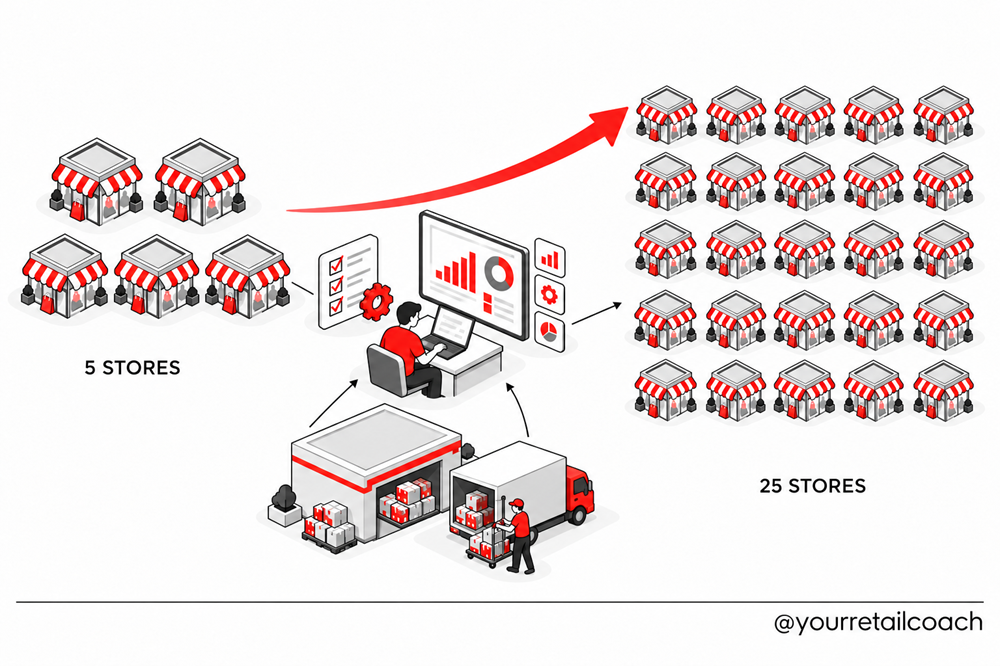
Before adding new stores, check if you have a robust SOP-based store operations blueprint.
If you have one, you can replicate it for new stores with a high level of confidence.
Six proven methods for checking the accuracy, consistency, and integrity of retail SOPs are Gemba Walk, Employee Feedback, Third-Person Check, Process Output Check, Stress Testing or Scenario Testing, and Mystery Audit.
Follow professional tips and guidance for SOP development, implementation, and improvement. SOP evaluation and improvisation can be a lengthy process. Consider availing professional services for faster results.
FAQs
How do you ensure SOPs are followed?
- Develop SOPs using established principles, proven methods, and expert guidance/tips.
- Integrate SOPs with IT systems for easy adherence.
- Provide SOP training to employees during onboarding and later, via refreshers.
- Link SOP adherence with PMS (Performance Management System).
- Develop a system for collecting employee/user feedback for improvement.
- Conduct periodic SOP audits.
- Build a system and culture of continuous improvement.
Can AI tools write SOPs?
AI can also write business proposals. Will you take that leap of faith? So, a more pertinent question is – should we use AI to write crucial business solutions like SOPs for retail operations management?
AI models may miss or misinterpret the context surrounding the specific realities and complex priorities of a business. This can make SOPs lose the business essence of operations.
AI models often suffer from bias and hallucinations that are hard to detect if you are not already well-versed in the subject matter or happen to spot them by chance.
AI models may create redundant steps and complexities that may appear as necessary on paper but avoidable in practice.
Capturing the nuances of predictability and unpredictability of the real world is something still best done by humans.
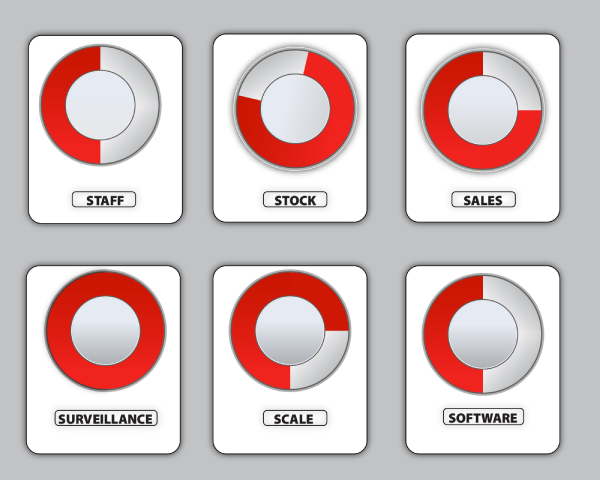
Retail Healthometer
Check the health of your business? Are you ready to organize & scale ?
Author Bio

Nikhil Agarwal
Chief Growth Officer