
The shop looked perfect. Wide frontage. Busy road. A friendly owner who said three other people were interested. The retailer signed the lease in two days.
Three months later, the problem was clear. The road was busy, but with people rushing past. Nobody stopped. Rent was due on the first of every month, whether anyone walked in or not.
This story is common. Most retail failures do not start on the shop floor. They start before the lease is signed. By the time the doors open, many of the big decisions are already locked in.
This blog covers seven decisions to make first.
Why the Lease Should Not Be Your First Step
A lease is a long promise. It often runs for years. It fixes your rent, your location and your space. Changing any of these later is slow and costly. Many new retailers think of lease as the starting point. However, before that, the seven decisions below give you those answers.
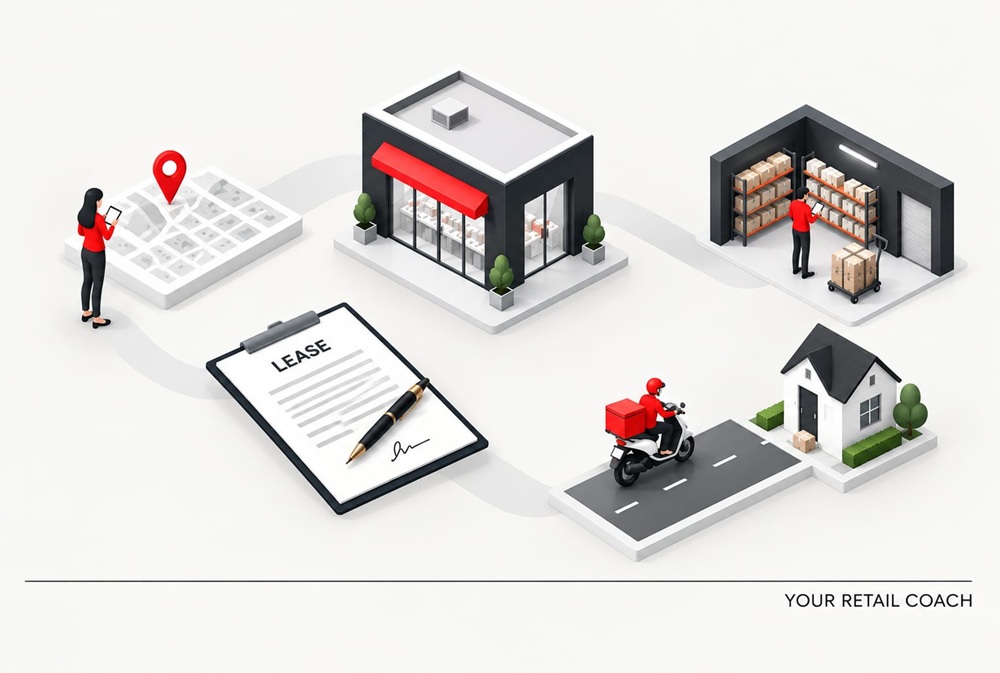
Time pressure makes this harder. Good sites do not wait, so people tend to rush. However, do not let a lease be signed in a hurry, as it may result in regret later on. Here is a depiction of what thought process in terms of decisions the retailers can resort to.
Choose Your Customer
Customers form the basis of a business. Therefore, it is essential to know about the target audience. The entire demography and the stats related to them play a major role.
For instance, an office shop has to be in a different area than a shop for families. Write your ideal customer in several sentences. If you cannot make a clear concept about him, start thinking about shops.
Define Your Range
This stage is all about deciding what range to select for the sale. A narrow range needs less space but a wider catchment. When you have a broad range to showcase, it certainly draws a lot more visitors. Yet, you would need more stock and cash.
To eliminate this problem:
- Pick your hero products.
- Set your price band.
The choices you make at this stage will set the focus on the future growth. From your margins to space requirements, you will be better positioned to take things forward positively.
Many retailers pick a shop first and then squeeze the range inside it. That is the wrong order. Ask which five products will bring people in, and which will bring profit.
Study the Catchment
Here is from which your customers originate. It is best to survey the area in person.
- Go there at various times on different days.
- Make a note of how many people stop there rather than how many people simply pass it by.
- Observe what they carry and where they proceed afterwards.
- Look at nearby shops too.
- A rival store close by is not always bad. On the contrary, it explains the demand in the locality. This is a good sign for a business.
- If there are issues you can catch at initial stages, work to remove these.
- It is a good idea to check what facilities make it easy to get to the resource.
Set the Size and Format
It is not necessary for a big store to always be a better one. A large store also means higher rent and it will also require more staff. This is the size of your sales plan. Think about the format as well. A small pilot run can be a good deciding factor before you make any commitment to a large space.
It is wise to consider leaving some room and space for the future. You do not want to cramp the place with all your range on day 1.
Work Out Your Break-Even
While there are many retailers that tend to look over these details, these are instrumental.
- Note down all your expenses that are contributing to your monthly regular expenditure.
- Calculate the amount you are going to have to sell.
- Compare this amount to how much you realistically expect to sell. If the gap is too large, there is something wrong with the site or the plan.
- Ensure that plans are as good as they look on paper.
Group your costs so nothing is missed.
- Take note of the major categories of expenses. This will help in not missing out on anything important.
- There will always be some fixed costs at the start of a business. Rent for office space, salaries for employees, and expenses related to software technologies fall under this category.
Read the Lease Terms Closel
Checking the lock-in period and the exit clauses are very important. Ask how much the rent goes up each year. Inquire about deposits and maintenance charges. Also, who is paying for the repairs. Some landlords offer fit-out rent-free months. Some tie rent to sales Negotiate before you sign up. Keep a lawyer in the mix.
Plan Your People and Operations
A business can thrive only on the abilities of its people. So, the first thing would be to decide on the number of employees you would require. The next most important factor is the skills they bring along. This step will also include figuring out their schedules and training. Gather information about how the payments will be facilitated. Learn how the return policies and customer service will operate. Also, note down the information of the supplier and their delivery times.
A Tale of Two Retailers
Two retailers eye the same corner shop. The first signs in a week. The rent is high, but the road is busy.
The second spends three weeks on homework. She counts shoppers at different hours. She finds that most passers-by are commuters who never stop. She also finds a quieter street near homes. The rent is lower and the daily visitors are steady. She signs there.
Her sales grow slowly but surely. The first retailer is still waiting for the crowd to turn into customers.
Four Traps to Avoid
These traps catch smart and experienced people too. The retailers should watch out for these to avoid them:
- Falling for how a shop looks and ignoring the numbers.
- Signing fast because someone else seems interested.
- Forgetting maintenance, deposits and fit-out.
- Using best-case sales to justify the rent.
One Last Check Before You Sign
Retailers should run every site through four questions. If there is a no, stop and fix the gap first.
Do this check as a team. Ask your partner, your accountant and one trusted shop owner to review your answers. Fresh eyes spot what excitement hides.
Where a Retail Consulting Partner Helps
Most retailers know these decisions matter. They struggle to make them with confidence. An experienced retail consulting partner closes that gap.
A good partner studies the catchment on the ground.
- They develop your break-even model and compare it against actual rents.
- They can help scrutinize lease agreements with a new perspective.
- They also identify early on whether or not a location is suitable for your strategy.
- They can even provide tried-and-tested site scoring tools so that you are able to make a factual choice instead of relying on your intuition.
This outside view can save you from a costly mistake. While all this is being taken care of, you are free to focus on running the business. Early advice is always cheaper than late repair.
Final Thoughts
A lease should support your plan. It should never be the plan. The retailers who last are the ones who decide first and sign later.
Know your customer. Fix your range. Study the catchment. Right-size the store. Count the costs. Read the fine print. Prepare your people. Do this, and the lease becomes the easiest part of the journey. The shop you open will have a real chance to last.
About YRC
Your Retail Coach (YRC) is a trusted retail and business consulting firm. We help retailers make significant decisions including choosing sites and planning store formats. Our hands-on approach and deep ground-level experience helps brands open stores with confidence and speed.
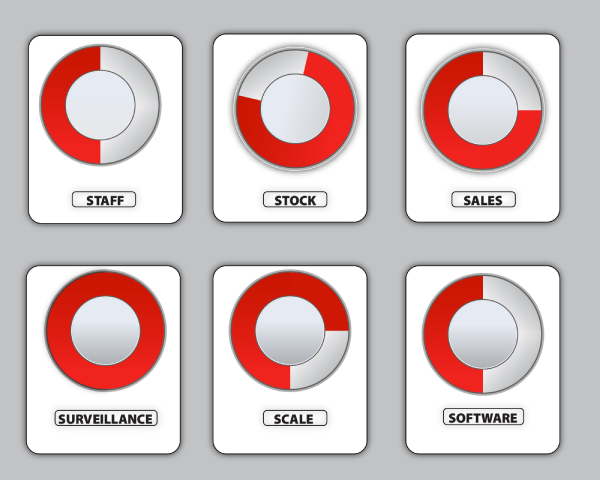
Retail Healthometer
Check the health of your business? Are you ready to organize & scale ?
FAQs
How do I choose the right retail location?
Here are some steps to help you choose the right location:
- Study the catchment on foot at different hours.
- Count people who stop.
- Check access and nearby rivals.
- Good retail site selection also tests whether the rent truly fits your sales plan.
How do I calculate break-even for a retail store?
To calculate break-even:
- Add all monthly costs, including rent, salaries, power and stock.
- Divide fixed costs by your gross margin percentage.
- lThe result is the monthly sales needed to break even.
- Compare it with a realistic sales estimate before you finalise the site.
When should I hire a retail consulting partner?
Hiring a consulting partner before you shortlist sites is extremely important. A retail consulting partner helps with:
- store planning
- catchment study
- break-even analysis
- lease review.
Early advice costs far less than fixing a wrong location after the doors are open.
Author Bio

Nikhil Agarwal
Chief Growth Officer